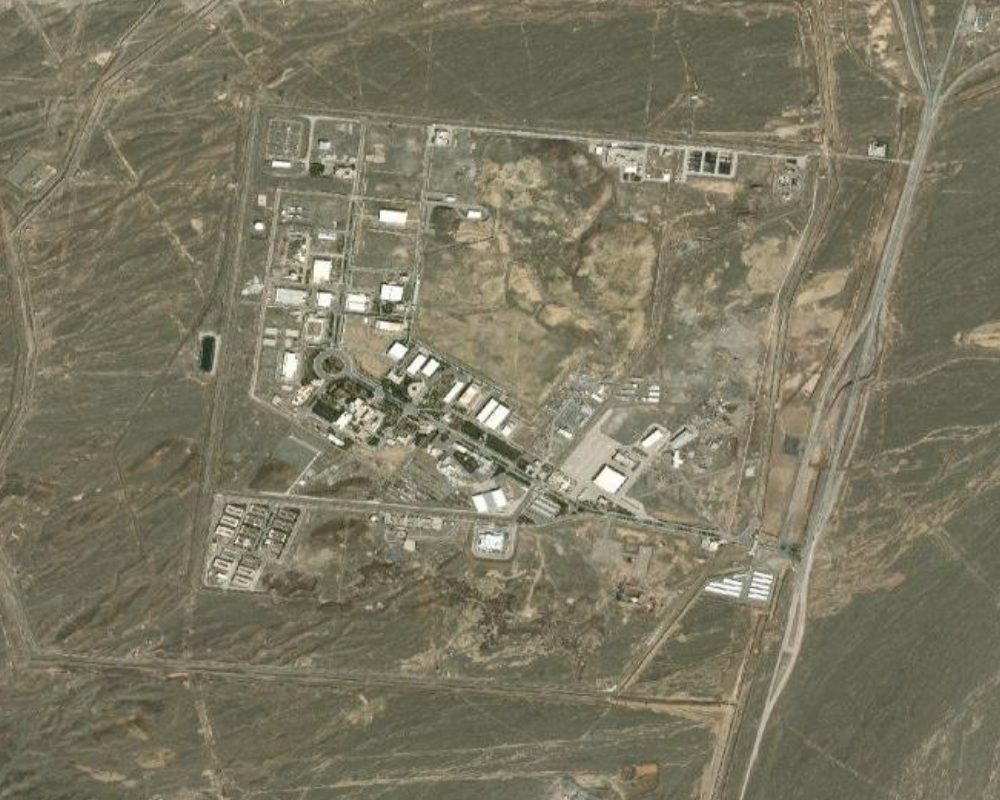
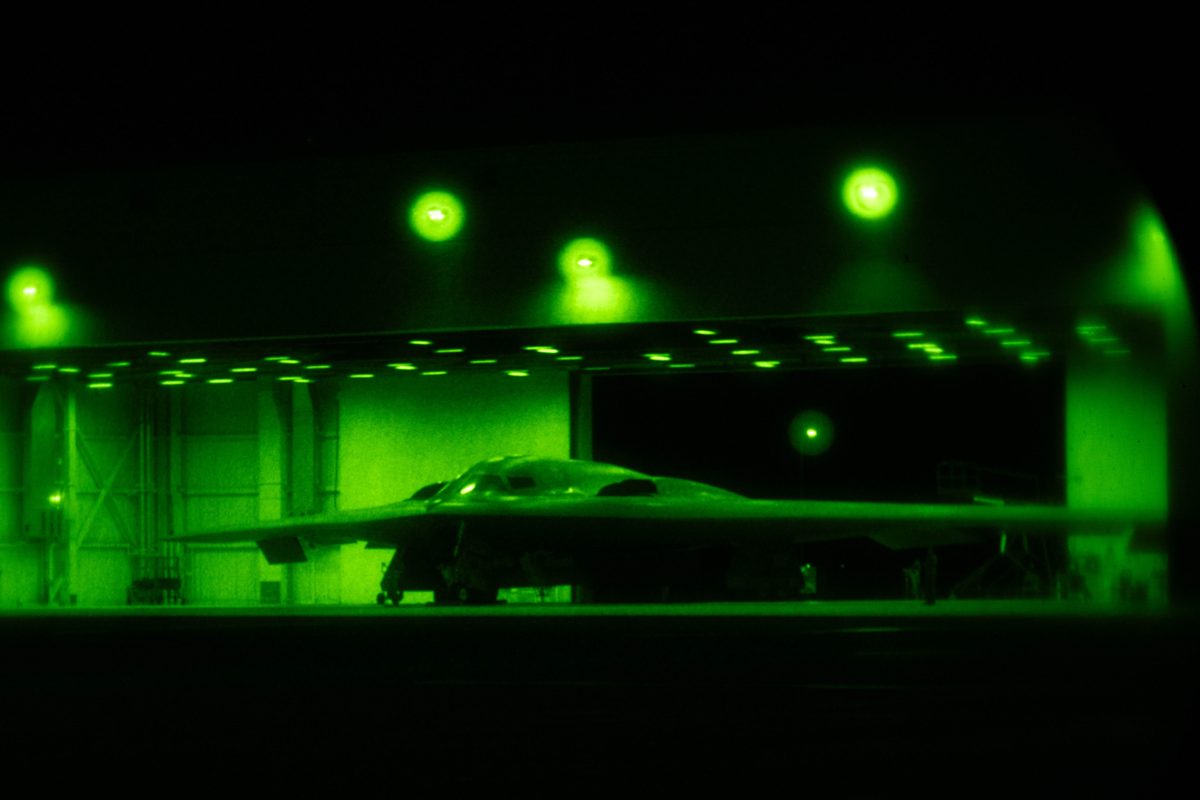
In remarks delivered at the White House in May of 2018, President Trump announced that the United States would withdraw from the Joint Comprehensive Plan of Action, known to many as the “Iran Nuclear Deal,” which parties had agreed to in 2015 under the Obama administration.
President Trump’s speech proclaiming the U.S. exit from the deal launched the start of the Trump administration’s historic “maximum pressure” campaign, aimed at compelling Tehran to abandon its pursuit of nuclear weapons, its development of threatening ballistic missiles, and its destabilizing activities in the region and beyond. The speech had significant implications not only for global affairs at the time, but also for U.S. foreign policy and the region today.
The speech reflected several core truths about President Trump’s approach to foreign affairs: first, the President was willing to take unilateral action if necessary to abandon ill-advised multilateral agreements that endangered or disadvantaged the United States; second, the President viewed the threat of nuclear weapons, particularly from adversarial, fanatical regimes, as a serious danger to the United States, which was consistent with his broader efforts to reduce the spread of nuclear, chemical, and biological weapons worldwide; third, the President consistently prioritized solving crises diplomatically, always extending a hand for a fair deal, but he was willing to pursue alternative paths if diplomatic efforts failed; fourth, while the United States would take action to secure its interests, “the future of Iran belongs to its people,” and they should chart its path forward, not leaders in Washington, D.C.; and finally, the United States would ensure credible deterrence by keeping its promises; in his words, “the United States no longer makes empty threats.” The President had warned several times that the JCPOA needed to be renegotiated, or the United States would leave the deal. The month prior, the President had also enforced a redline on Syrian dictator Bashar al-Assad’s use of chemical weapons.

Importantly, there is a direct line between this speech by President Trump in May 2018 and Operation Epic Fury beginning in February 2026. In the 2018 remarks, the President enumerated Iran’s many destabilizing and threatening actions, including its long history of attacking, torturing, and murdering Americans. Chief among the threats to Americans, the President argued, was the regime’s aspirations for a nuclear weapon. In 2018, he left the JCPOA because it did not prevent this unacceptable outcome. In 2026, he launched Epic Fury for the same reason. In fact, the words of the 2018 speech are just as applicable to the military campaign against Iran:
“America will not be held hostage to nuclear blackmail. We will not allow American cities to be threatened with destruction. And we will not allow a regime that chants ‘Death to America’ to gain access to the most deadly weapons on Earth.” President Donald Trump, May 8, 2018
A nuclear-armed Iran would forever change the landscape of the Middle East and imperil the security of all Americans. President Trump has made it clear for years that he would do everything in his power to prevent that ominous occurrence, taking robust diplomatic and economic action with this speech in 2018 and with force in 2026. The impact on the course of world history, for Americans and for the people of the region, should not be underestimated.