In January 2005, the United States was 22 months into the Iraq war and 39 months into the war in Afghanistan. President George W. Bush retained the support of the American public, shepherding us through successful military campaigns in both nations and in addressing Islamic terrorism head on. As he was sworn in for his second term, however, President Bush gave a speech on the steps of the Capitol that reflected a fundamental change in the philosophy of Republican foreign policy that continues to have significant repercussions today.
Bush’s 2005 address marked a departure from the Jacksonian realism that had characterized the initial mission of the Global War on Terror and Republican foreign policy throughout the Cold War. Moving beyond the initial mission to neutralize terrorists and deny them safe havens, Bush began calling for a more expansive strategy, arguing that “we are led, by events and common sense, to one conclusion…The best hope for peace in our world is the expansion of freedom in all the world.”
For generations, Republican presidents had described America as the “defender of liberty.” George H.W. Bush, Ronald Reagan, Dwight Eisenhower, and Richard Nixon all described America’s power as the bulwark against authoritarianism, communism, and fascism, both by supporting existing democracies and by encouraging native democratic movements.
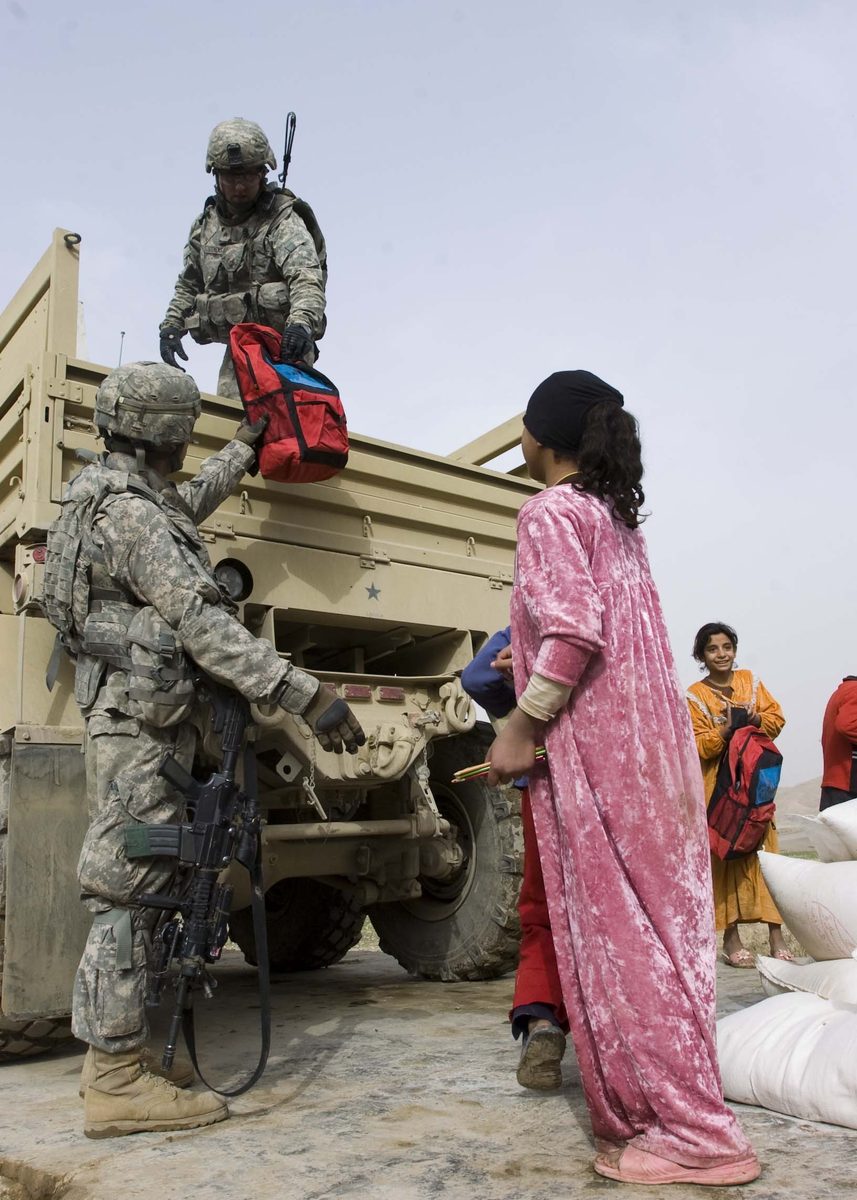
President Bush, however, strayed from this blueprint. Instead, the Bush team wanted to see “the growth of democratic movements and institutions in every nation and culture.” Rather than that growth being an organic movement from within, in Iraq and Afghanistan this meant imposing democracy from the outside into places with no prior history or obvious desire.
Ultimately the failed nation-building that characterized the second term of the Bush administration came at a giant cost and fueled growing skepticism about America’s role in the world.
Over two decades later, the lessons remain clear: Democracy cannot be made or imposed by external forces alone, even ones as powerful as the United States. It must be desired and fought for by the people receiving it. It must be earned. Granting democracy to cultures lacking a fundamental belief in individual liberty or existing civil society, is like giving a car to a child who has yet to ride a bike.
There was much in President Bush’s administration that helped ensure American security: Responding to 9/11. Establishing a whole of government approach—involving State, the Pentagon, the FBI, Treasury, and others—in protecting our homeland. And yet, Bush’s second inaugural address, while often seen as consistent with his first term’s approach, marked a clear shift from foreign policy pragmatism, mistakenly assuming that the universal principles upon which our own nation was founded would be universally accepted. The long-term impacts on Americans’ view of our role in the world are still being felt.